
Features
From The Price Is Right to Crypto Games

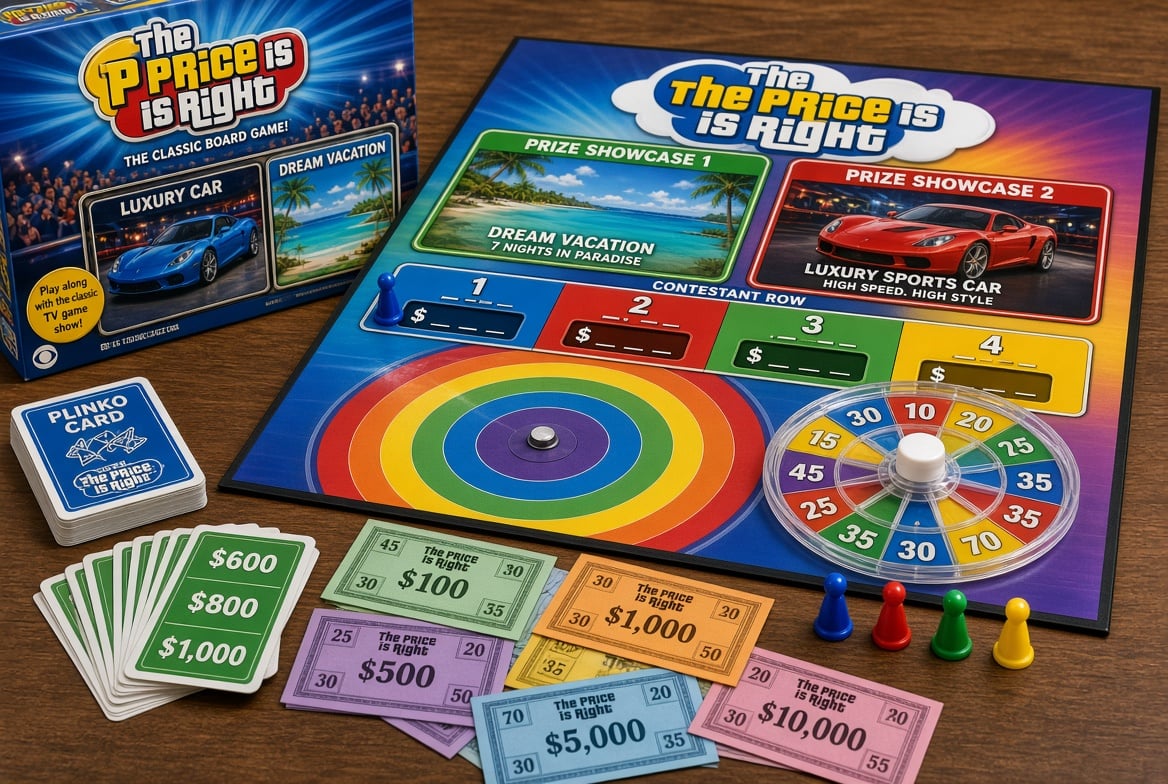
A chip drops from the top of a tall board, bounces off a field of pegs, and lands in a slot at the bottom. Nobody can say where it will end up, and that suspense turned a television segment into one of the most recognizable games in popular culture.
Its journey from a studio set to a crypto casino lobby shows how a simple idea can survive a change of medium.
A board that began in statistics
The ancestor of the game is a teaching device from the nineteenth century, a board of pegs through which balls fall to form a bell-shaped pile. The English scientist Francis Galton used the device to demonstrate how many small random bounces add up to a predictable pattern.
The lesson of that board is that individual paths are unpredictable while the overall shape is not. A single ball can land anywhere, yet hundreds of balls pile up in the center and thin out toward the edges.
The shape later explained why a game built on it could be exciting and fair at once. Every drop feels uncertain, and the average result stays stable across many drops. An online plinko game keeps that logic and swaps the studio for a screen.
The idea remained a classroom curiosity for decades until television discovered how well a falling object builds tension.
The educational value is easy to see. The board shows in one glance that randomness at the small scale and order at the large scale can coexist, an idea at the heart of probability that students still meet in introductory courses.
The television debut
According to the fan-maintained wiki for the game show, Plinko made its debut on The Price Is Right on January 3, 1983. Its 25,000 dollar top prize was the largest the program had offered at the time, and the largest allowed under network regulations.
In Plinko, which was featured on The Price Is Right, the contestant earns chips by pricing items correctly, then climbs to the top of the board and releases the chips one at a time. Each chip is deflected by a field of pegs, with every row offset from the previous one, which makes its landing spot very hard to predict.
The same entry records some practical details. At first the front of the board was open, so chips occasionally bounced onto the stage and had to be played again, and a transparent cover with a grid of triangular holes has been used since 1994. There is also a small chance that chips land in zero slots, leaving the contestant with nothing.
The game became the most popular pricing game on the show, and its sound, the clatter of a chip on pegs, became a cultural shorthand for hopeful randomness.
How it moved to crypto casinos
The online version replaces the chip with a ball and the prizes with multipliers. A player picks a stake, a risk level, and the number of peg rows, and drops the ball. The multiplier of the slot where it lands decides the payout.
The appeal carried over intact. The motion is hypnotic, rounds are short and the screen needs no instructions. An online version gives a player the feeling of the television moment in seconds and from any place.
Crypto casinos favor the format because it fits their strengths. Results can be derived from a recorded random value, rounds are fast, and the multiplier table is simple to display and to verify.
Variants add options such as the number of rows and the risk level. More rows spread the outcomes over more slots, and a higher risk level lowers the central payouts while raising the edges, so the same ball can feel calm or wild depending on the settings.
The math of the falling ball
Each peg sends the ball left or right with roughly equal chance, so the final slot follows a binomial pattern. On a board with eight rows, the central slot is reached about 27.3 percent of the time, while each edge slot is reached only 0.39 percent of the time, one chance in 256.
With sixteen rows the pattern sharpens. The central slot appears about 19.6 percent of the time, and an edge slot has a chance of roughly one in 65,536. More rows push the extreme multipliers further out and make them far rarer.
Game designers set the multipliers to match. The center pays little or less than the stake, and the edges pay a lot. The risk setting reshapes the table, lowering the middle payouts and raising the edges, which makes results swingier without changing the long-term cost.
A short example shows the idea. If the middle slots pay 0.5 times the stake and the edges pay 100 times, most drops lose half the stake, and a rare edge drop pays handsomely. The average still falls below the stake, which is the house edge at work.
Playing with the pattern in mind
The bell shape means that most drops land near the middle, where payouts are modest. Chasing the edges is a bet on rare events, and a long run without a large win is normal and not a sign that one is due.
A session plan helps. Setting aside a fixed number of drops and reviewing the result after each block of twenty shows how the swings behave without risking the whole budget at once.
Watching a few rounds without staking anything is also useful. It shows how often a typical route survives and how quickly a long streak ends, which builds realistic expectations before any money is involved.
The game is for adults; losses are a regular part of play and legal availability depends on where a player lives. A fixed budget, a small stake relative to it, and a time limit keep the entertainment in proportion, and support services exist for anyone who needs them.



From The Price Is Right to Crypto Games

Online games with cryptocurrencies — what does the gameplay look like?

This New Fall Romance Anime Will Make You Fall in Love!

How Does AI Marketing Increase the Reach of Gaming Blogs?

What It Takes to Stream One Game to Hundreds of Screens at Once

Best DNS Servers for Gaming in 2026: 6 Options for Speed and Stability

How to Grow a Gaming TikTok From Zero in 2026: 8 Steps

Level Up Your Audio: How to Score the Next Big Indie Game from Your Bedroom

Canada’s Gaming Audience Is Bigger Than the Old Stereotype

The Most Popular Car Game Isn’t Where Players Stay Longest

ARC Raiders Frozen Trail Guide: How to Board and Clear the Frigate

Rockstar Games Integrates Advanced Ray Tracing for GTA VI

Mystery Anime You’ll Regret Starting at Midnight | Part 2

How to Update Outdated Graphics Drivers for Better Gaming Performance and Higher FPS

How to Recover Lost Game Files from an External Drive on Mac

Steal a Brainrot Items Guide: How to Get Rare Brainrots and Build a Stronger Base
-
 Features4 weeks ago
Canada’s Gaming Audience Is Bigger Than the Old Stereotype
-
 Features4 weeks ago
The Most Popular Car Game Isn’t Where Players Stay Longest
-
 Features3 weeks ago
ARC Raiders Frozen Trail Guide: How to Board and Clear the Frigate
-
 Gaming News3 weeks ago
Rockstar Games Integrates Advanced Ray Tracing for GTA VI
-
 Anime3 weeks ago
Mystery Anime You’ll Regret Starting at Midnight | Part 2
-
 Technology3 weeks ago
How to Update Outdated Graphics Drivers for Better Gaming Performance and Higher FPS
-
 Technology3 weeks ago
How to Recover Lost Game Files from an External Drive on Mac
-
 Features2 weeks ago
Steal a Brainrot Items Guide: How to Get Rare Brainrots and Build a Stronger Base
-

 Anime2 weeks ago
A Must watch Wholesome Anime That Feels Surprisingly Relatable!
-
Features1 week ago
The Parent Companies Behind Your Favorite Games
-
 Social Media1 week ago
How to Grow a Gaming TikTok From Zero in 2026: 8 Steps
-

 Features2 weeks ago
Table and Mini Games In Grand Theft Auto 6 – What Can We Expect?