
Features
How Random Reward Mechanics in Mobile Games Keep Players Engaged

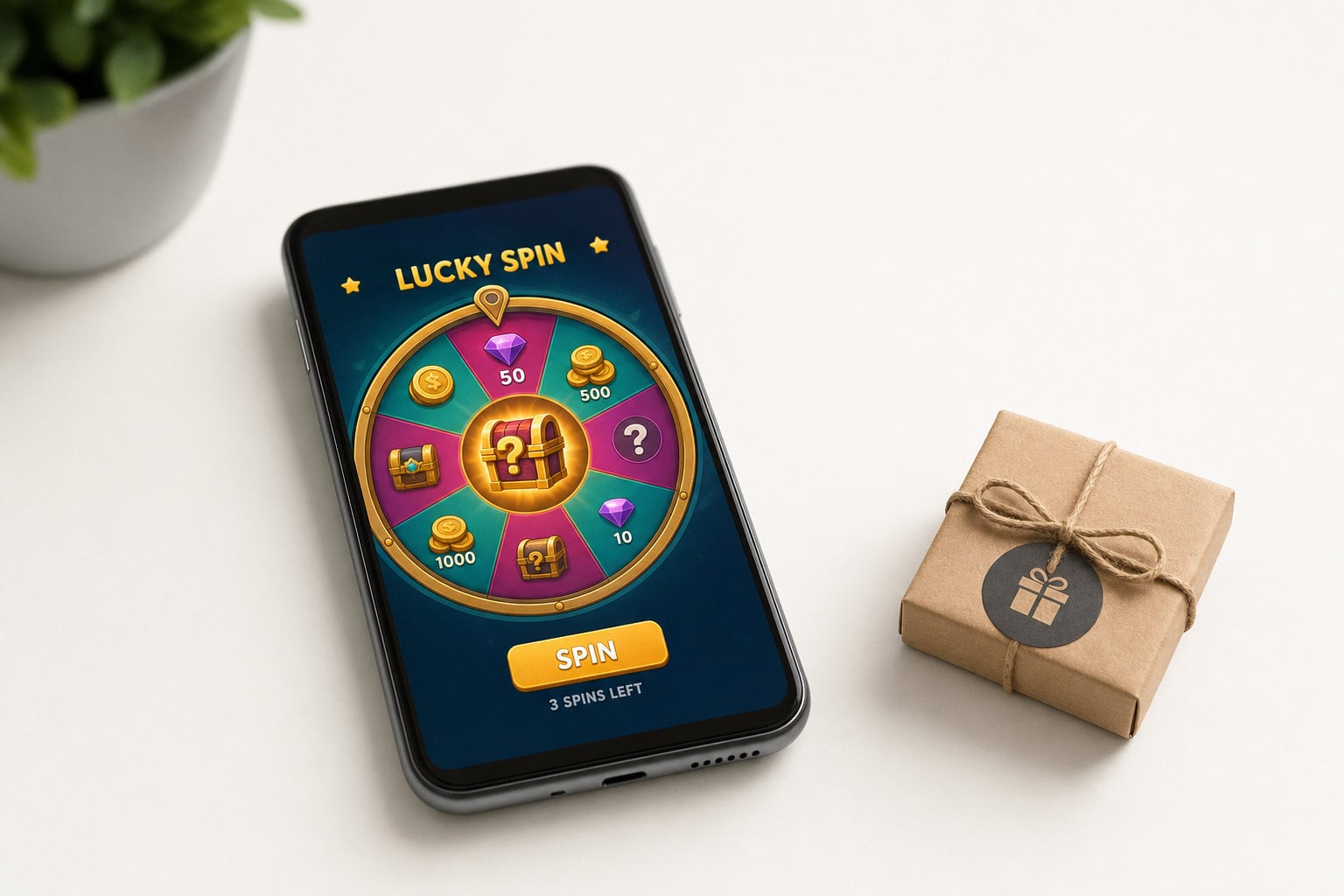
Random reward mechanics have become a defining feature of modern mobile gaming, captivating players with the promise of surprise and anticipation. These systems introduce elements of unpredictability and repetition that shape the player experience, influencing how gamers interact with mobile titles and raising expectations for engagement and fairness within the games themselves.
Randomized rewards are now one of the most popular ways to maintain player interest in mobile games, offering a blend of enjoyment and unpredictability that sets them apart from fixed achievements, much like experiences found in free slots 777 within select mobile game reward systems. The appeal lies not just in what players receive, but in the anticipation of opening a mystery reward, which keeps sessions feeling fresh. Developers use these incentives to support continued engagement, with designs evolving in response to player feedback and industry trends. Some mobile games use similar mechanics across different genres, reflecting how reward design influences player experience.
How random rewards appear inside popular titles
Modern mobile games often use mystery boxes, loot drops, pack openings, spinning wheels, and timed crates to deliver random rewards. These mechanics provide players with unknown prizes that are only revealed after interacting with the random element, adding suspense to each routine session. In contrast to fixed unlocks that grant the same item for every player, these systems keep outcomes different and exciting.
Random reward mechanics encourage repeat engagement by inviting players to try multiple times. Examples include daily spins or event-based chests that refresh after certain intervals. The possibility of acquiring rare items or valuable upgrades gives players a consistent reason to return, whereas predictable rewards might struggle to generate the same excitement.
The design loop driving anticipation and loyalty
At the heart of random reward mechanics is a loop that strongly influences you as a player: anticipation, the high of the reveal, and collection. Each phase serves a particular purpose, making the experience both enjoyable and memorable. Anticipation grows as you interact with the system, pushing curiosity about what the outcome might bring.
The reveal moment, when the contents of a mystery chest or spin are finally shown, delivers a quick thrill, even when the reward is routine. Collection comes next, when players organize and use the rewards, fueling a desire to repeat the process. This loop does not demand lengthy sessions because even short bursts provide satisfying completion, making these games appealing for quick play or sustained use.
Psychological appeal and reinforcement without panic
Random reward systems tap into what is known in psychology as “variable reinforcement,” a concept where rewards are given out unpredictably to boost motivation and learning. The uncertainty is often more compelling than assured outcomes, as the prospect of a rare drop amplifies excitement. This unpredictability is central to why players repeatedly engage with these mechanics.
Another factor is the “near-miss” effect, where just missing a valuable prize feels almost as stimulating as winning and prompts players to try again. This sensation is heightened by visual and auditory cues that make each outcome feel meaningful. Many players also find motivation in collection completionism, seeking to gather all types of items or characters offered through random rewards.
Balancing fairness, satisfaction, and long-term trust
For random reward mechanics to succeed, you need to feel rewards are both attainable and fair. Developers often set specific drop rates for each reward, ensuring that valuable prizes remain rare but not frustratingly out of reach. Some introduce pity systems that guarantee a rare reward after many unsuccessful attempts, responding to concerns of prolonged bad luck.
Transparency about drop rates and duplicate protection further supports player satisfaction. When games communicate odds clearly and protect against repeated unwanted items, they help stave off frustration and burnout. Many successful implementations blend luck with skill or choice, ensuring that even if a reward is random, your decisions still have tangible impact on your progress.
Looking forward: evolving systems and player benefit
As random reward mechanics continue to evolve, more developers are integrating increased transparency and hybrid models that balance chance with meaningful decisions. Safeguards such as easier access to essential items or options to convert duplicate rewards are becoming more common, addressing long-term concerns about player satisfaction.
The trend points towards designs that value fairness, player choice, and clear communication. When you understand the rules and probabilities, satisfaction with reward systems can rise. Developers now focus on systems that not only surprise players but also offer predictable avenues for progress, blending chance and strategy in increasingly thoughtful ways.



One Piece Is Everywhere Right Now – and It’s Exposing a Problem With How Gaming Teaches Players to Gamble

Why Game Clips Stall on Instagram Reels

The Truth About Family Co-Op Games That Keep Everyone Included

Why Side Activities Make Open Worlds Feel More Alive

Struckd on Windows: Making 3D Games Without Writing a Line of Code

From Arcade Cabinets to Digital Cards: The Psychology of the Push-Your-Luck Mechanic

How to Fix Lag in Games Once and For All

Why Randomness Makes Some Video Games So Interesting

This Unexpected Frieren x MapleStory Crossover Looks Too Perfect

6 Years Later, Haikyu!! Returns in the Last Way Fans Expected

The shared design language of video games and interactive digital entertainment

Why Have Animal Characters Taken Over Every Corner Of Gaming?

6 Gaming Platforms That Push Originality to the Forefront

How Much Does Player Housing Really Cost in WoW Midnight?

Anime You’ll Be Glad You Added to Your Fall Watchlist (Part-1)
Why Randomness Makes Some Video Games So Interesting
-
 Anime3 weeks ago
This Unexpected Frieren x MapleStory Crossover Looks Too Perfect
-
 Anime1 week ago
6 Years Later, Haikyu!! Returns in the Last Way Fans Expected
-
 Culture4 weeks ago
The shared design language of video games and interactive digital entertainment
-
 Features4 weeks ago
Why Have Animal Characters Taken Over Every Corner Of Gaming?
-
 Features3 weeks ago
6 Gaming Platforms That Push Originality to the Forefront
-
 Features4 weeks ago
How Much Does Player Housing Really Cost in WoW Midnight?
-
 Anime2 weeks ago
Anime You’ll Be Glad You Added to Your Fall Watchlist (Part-1)
-
 Features1 week ago
Why Randomness Makes Some Video Games So Interesting
-
 Features6 days ago
From Arcade Cabinets to Digital Cards: The Psychology of the Push-Your-Luck Mechanic
-
 Features6 days ago
Struckd on Windows: Making 3D Games Without Writing a Line of Code
-

 Features1 week ago
Keyboard vs Controller Gaming: Which One Is Better?
-

 Features1 week ago
5 Masterful Video Games Where The Element of Chance Shaped the Narrative