
Features
Why Hybrid Game Worlds Keep Players Hooked

Introduction
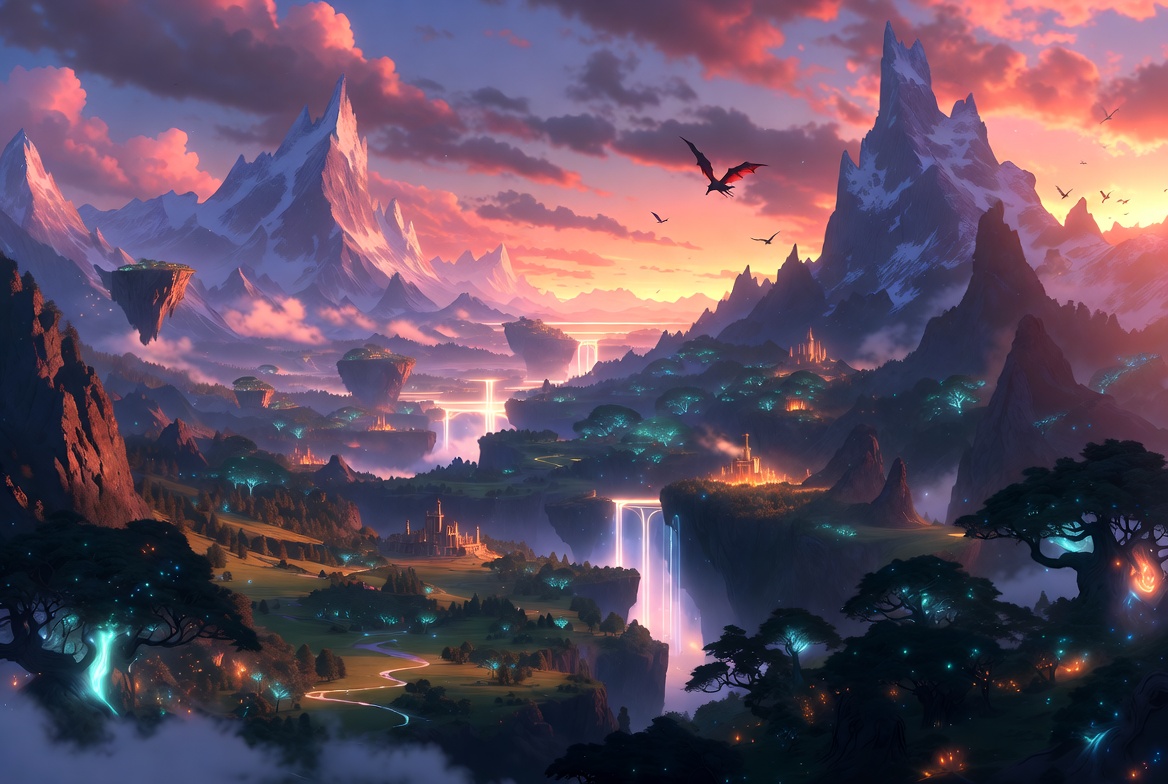
Hybrid game worlds stick with players because they mix surprise, mastery, and personality in equal measure. Even teams building adjacent interactive products often study similar design lessons. Turnkey casino software lives by readable systems, fast feedback, and mechanics that reward return visits. That crossover tells us something useful about what modern players actually remember.
The games people revisit rarely win on graphics alone, and that’s the honest truth. They earn loyalty through rhythm, texture, and tiny choices that feel meaningful over time. One minute you’re chasing a quest marker, and the next you’re following a rumor. That little detour often becomes the memory you keep for years.
Game Worlds Need Systems, Not Just Scenery
A beautiful map can grab attention, but beauty won’t carry a weak design forever. Players notice when worlds look alive yet behave like cardboard sets. The strongest hybrid game worlds connect movement, exploration, and consequence in natural ways. When systems talk to each other, every corner feels less like filler and more intentional.
That’s why environmental storytelling still matters so much in modern game design today. A broken bridge, a half-finished campfire, or scattered notes can suggest history instantly. You don’t need a lecture when the landscape already whispers its backstory. Good worlds trust players to connect those dots without hand-holding or fuss.
Player Choice Keeps Familiar Genres Fresh
Choice doesn’t always mean giant branching narratives or dramatic moral scoreboards anymore. Sometimes it means deciding how to cross a valley or start a fight. Those modest decisions can reshape pacing, tension, and mood in surprising ways. Players feel ownership when a game respects their preferred tempo and personal habits.
That sense of freedom works especially well when genres begin to overlap naturally. Action games borrow role-playing depth, while strategy elements sneak into adventures and platformers. Suddenly, familiar formulas feel spring-loaded with new possibilities and fresh energy. It’s the design equivalent of opening a window after winter indoors at last.
Three Design Traits Players Notice Right Away
When hybrid game worlds really click, players usually feel the pattern quickly. They may not describe it with design jargon, but they notice the difference. The best experiences tend to share a few practical traits from the start. Those traits create momentum before the story fully reveals itself to anyone.
- Clear feedback that makes every action feel readable and satisfying
- Layered objectives that support curiosity without smothering discovery
- Distinct spaces that encourage memory, not just efficient movement
These ideas sound simple on paper, yet they’re tough to balance well. Too much guidance feels stiff, while too little direction creates drag. Great teams find that sweet spot where experimentation feels safe but never boring. That balance keeps players learning without feeling pushed around or second-guessing every move too early.
Small Details Create Big Emotional Payoffs
Scale gets plenty of attention, but intimacy often does the heavier lifting overall. A cramped tavern, a strange shopkeeper, or one unforgettable side path can outshine spectacle. Players connect with spaces that feel authored rather than inflated for marketing bullets. Bigger isn’t always better, and everyone knows it from experience anyway by now.
That’s also where tone becomes a secret weapon for memorable design. Humor softens repetition, melancholy deepens travel, and silence can sharpen mystery. When those tonal shifts feel earned, a world gains texture beyond mechanics alone. The setting starts feeling less like content and more like a place worth revisiting for comfort.
What Adjacent Interactive Industries Can Teach Developers
Looking outside console and PC development can reveal useful design parallels, surprisingly enough. Teams across interactive media obsess over onboarding, pacing, retention, and player clarity. Even conversations around types of gaming licenses reflect how structure shapes trust and long-term engagement. Different sectors use different language, but the design questions often rhyme.
That broader lens matters because players now compare experiences across many formats. If menus feel clumsy, rewards feel muddy, or progression feels arbitrary, they bounce. Attention is expensive, and goodwill is even harder to win back. The smartest creators respect that reality from the opening minutes every single time they launch.
Conclusion
Hybrid game worlds endure because they give players room to think, wander, and improvise. They aren’t just large; they’re responsive, textured, and full of interesting friction at every turn. When mechanics, mood, and exploration move together, players feel invited instead of managed. That invitation is what turns a good release into a lasting favorite.
For a feature-driven audience, that’s the real story worth following right now. Players want worlds with personality, not empty scale dressed as ambition. Build spaces that react, surprise, and leave a few rough edges intact. After all, the memorable stuff usually lives in those imperfect corners for years after release.



Steal a Brainrot Items Guide: How to Get Rare Brainrots and Build a Stronger Base

Best MM2 Weapons to Collect: Knives, Guns and Godlys Explained

Table and Mini Games In Grand Theft Auto 6 – What Can We Expect?

How to Recover Lost Game Files from an External Drive on Mac

Mystery Anime You’ll Regret Starting at Midnight | Part 2

ARC Raiders Frozen Trail Guide: How to Board and Clear the Frigate

Rockstar Games Integrates Advanced Ray Tracing for GTA VI

How to Update Outdated Graphics Drivers for Better Gaming Performance and Higher FPS

Anime You’ll Be Glad You Added to Your Fall Watchlist (Part 2) 🍂

WoW Forever Leveling: What Is New on the Road from 1 to 60

MM2 weapon rarity tiers explained for traders

Canada’s Gaming Audience Is Bigger Than the Old Stereotype
ARC Raiders Frozen Trail Guide: How to Board and Clear the Frigate

8 Underrated PC Games Worth Playing in 2026 (That Aren’t Getting the Attention They Deserve)

The Most Popular Car Game Isn’t Where Players Stay Longest

Mystery Anime You’ll Regret Starting at Midnight | Part 1
-
 Anime4 weeks ago
Anime You’ll Be Glad You Added to Your Fall Watchlist (Part 2) 🍂
-
 Features3 weeks ago
WoW Forever Leveling: What Is New on the Road from 1 to 60
-
 Esports4 weeks ago
MM2 weapon rarity tiers explained for traders
-
 Features3 weeks ago
Canada’s Gaming Audience Is Bigger Than the Old Stereotype
-
 Features2 weeks ago
ARC Raiders Frozen Trail Guide: How to Board and Clear the Frigate
-
 Features3 weeks ago
8 Underrated PC Games Worth Playing in 2026 (That Aren’t Getting the Attention They Deserve)
-
 Features2 weeks ago
The Most Popular Car Game Isn’t Where Players Stay Longest
-
 Anime3 weeks ago
Mystery Anime You’ll Regret Starting at Midnight | Part 1
-
 Gaming News2 weeks ago
Rockstar Games Integrates Advanced Ray Tracing for GTA VI
-
 Features3 weeks ago
Why Sports Games Keep Getting Better at Simulating the Real Thing
-

 Features3 weeks ago
From Consoles to Phones: How Canadian Gaming Became an Anytime Experience
-
 Anime1 week ago
Mystery Anime You’ll Regret Starting at Midnight | Part 2