
Games That Changed Our Lives
The Comfort of the PS2 Era: Why We Can’t Let Go of Mid-2000s Classics

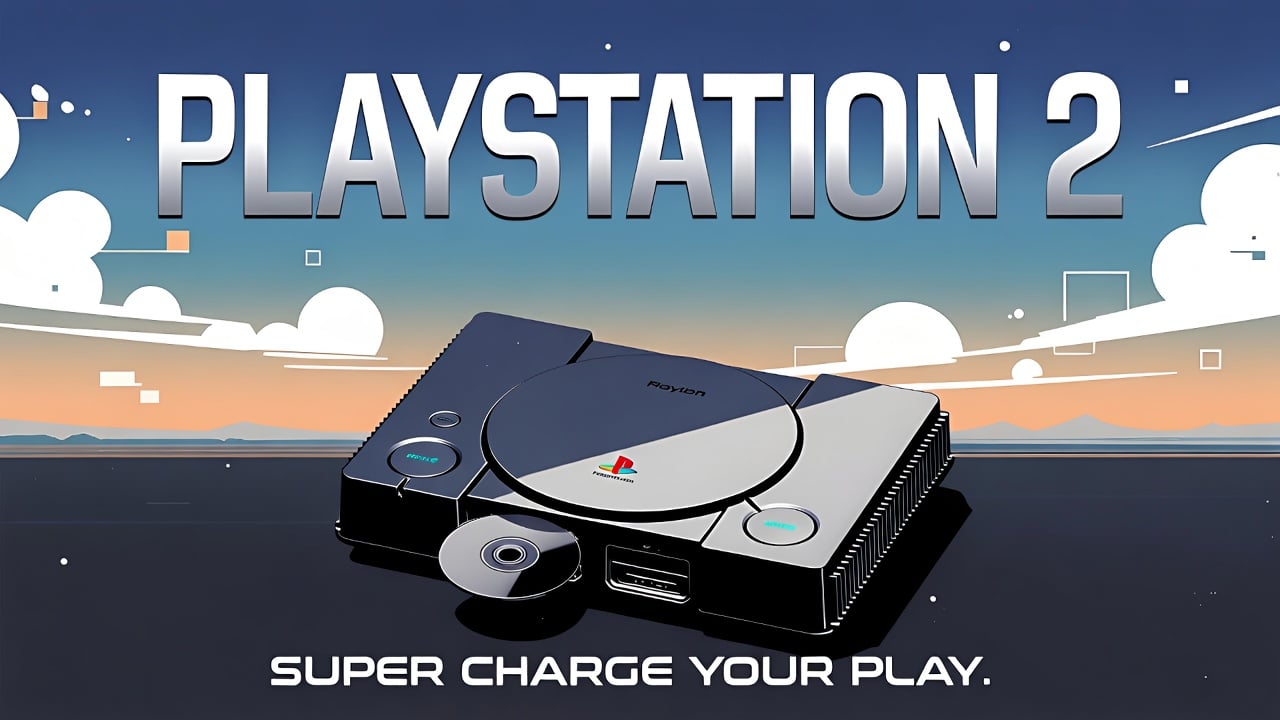
Gaming has moved fast. Today’s consoles and PCs handle 4K visuals, ray tracing, massive open worlds, and stories that stretch across dozens of hours.
Games like Red Dead Redemption 2, Cyberpunk 2077, and Ghost of Tsushima show how far production value and technical detail have come. Budgets are bigger, worlds are denser, and expectations are higher than ever.
The change is visible across the entire industry. Even casino gaming reflects that growth, with modern slot sites offering progressive jackpots, Megaways mechanics, and layered bonus features that keep players engaged far longer than older formats ever did.
Still, despite all this progress, many players keep returning to the PlayStation 2 era. Mid-2000s classics continue to feel special in a way that newer titles sometimes do not. The question is simple: why are we still drawn back to that time?
A Library That Covered Every Mood
The PlayStation 2 quickly built its reputation. With more than 160 million units sold and thousands of titles released worldwide, it offered a catalogue that felt endless at the time.
Racing fans had Gran Turismo 3: A-Spec. Those who wanted chaos and freedom had Grand Theft Auto: San Andreas. Sports games, survival horror, platformers, rhythm games, Japanese RPGs; they were all there, often released within the same year.
That range mattered. You were not tied to one style of play or locked into a single long-term commitment.
One weekend could be spent roaming Vice City, the next grinding through battles in Final Fantasy X, and the next testing your reflexes in God of War. The console encouraged switching things up. You bought a disc, put it in, and stepped into a completely different experience. There was no roadmap to follow, no seasonal content plan to keep up with. The variety felt natural rather than curated by an algorithm.
Simplicity That Still Feels Good
Many current titles expect constant attention. They introduce layered crafting systems and online features that rarely go offline. The PS2 era worked differently. Controls were tighter. Tutorials were shorter. Mechanics were clear from the start.
Shadow of the Colossus is a good example. You were given a sword, a horse, and a goal. The challenge came from the scale of the enemies and the physical act of climbing them. There were no pop-ups explaining five currencies or reminders to complete daily tasks. You learned by doing. That design feels refreshing today. You could sit down after work, play for an hour, and stop without worrying about missing limited-time rewards or falling behind other players. The experience belonged to you.
Style That Outlasted Early Realism
The PS2 could not chase photorealism the way modern hardware does, so developers leaned into art direction.
Strong colors, exaggerated character models, and deliberate lighting choices shaped games that still have personality years later. Jak and Daxter embraced bright, animated worlds. Metal Gear Solid 2 focused on cinematic framing and distinct character design rather than perfect facial detail.
Because these games did not try to copy real life too closely, they have aged more gracefully than some early high-definition releases. The hardware’s limitations pushed teams to think creatively. What remains is a cohesive, memorable visual identity.
Emotional Connections That Still Feel Close
For many players, the PS2 years are tied to specific moments in their lives. Coming home from school and dropping a backpack by the door.
Sitting cross-legged on the floor during a split-screen session that lasted until someone had to leave. Trying to stay quiet while finishing a late-night boss fight. The games were part of everyday routines.
Some stories hit harder than expected. Kingdom Hearts mixed familiar Disney faces with themes about identity, distance, and growing up. Silent Hill 2 went in the opposite direction, exploring guilt and grief in a way that felt heavy and personal. Those experiences stayed with people because they arrived at a time when gaming still felt intimate.
There was less noise around releases, fewer marketing cycles dragging on for years. You discovered a title, played it, and formed your own view. That space allowed stronger attachments to grow.
Comfort in a Quieter Structure
Modern life rarely slows down. Phones buzz. Feeds refresh. Games themselves often mirror that constant motion with events, passes, and timed challenges.
PS2 classics operate differently. You load a save file, make progress, and turn the system off. Nothing waits for you the next day except the exact point where you left it.
That rhythm creates comfort. The experience feels contained. Stories have beginnings and endings that do not depend on future patches. When the credits roll, there is closure. You can replay the game later and know it will unfold the same way.
That sense of completeness is part of the pull. The mid-2000s produced titles that felt finished on release, built to stand on their own.



ARC Raiders Frozen Trail Guide: How to Board and Clear the Frigate

Rockstar Games Integrates Advanced Ray Tracing for GTA VI

How to Update Outdated Graphics Drivers for Better Gaming Performance and Higher FPS

The Most Popular Car Game Isn’t Where Players Stay Longest

Canada’s Gaming Audience Is Bigger Than the Old Stereotype

Mystery Anime You’ll Regret Starting at Midnight | Part 1

From Consoles to Phones: How Canadian Gaming Became an Anytime Experience

8 Underrated PC Games Worth Playing in 2026 (That Aren’t Getting the Attention They Deserve)

Anime You’ll Be Glad You Added to Your Fall Watchlist (Part 2) 🍂

WoW Forever Leveling: What Is New on the Road from 1 to 60

Why Game Clips Stall on Instagram Reels

MM2 weapon rarity tiers explained for traders

One Piece Is Everywhere Right Now – and It’s Exposing a Problem With How Gaming Teaches Players to Gamble

What to Check Before Buying FC 27 Coins Online

Blox Fruits Physical vs Permanent Fruits: What’s the Difference?

Can You Stream Kick on Xbox: Complete Guide for Xbox Users
-
 Anime2 weeks ago
Anime You’ll Be Glad You Added to Your Fall Watchlist (Part 2) 🍂
-
 Features2 weeks ago
WoW Forever Leveling: What Is New on the Road from 1 to 60
-
 Social Media4 weeks ago
Why Game Clips Stall on Instagram Reels
-
 Esports2 weeks ago
MM2 weapon rarity tiers explained for traders
-
 Features4 weeks ago
One Piece Is Everywhere Right Now – and It’s Exposing a Problem With How Gaming Teaches Players to Gamble
-
 Features4 weeks ago
What to Check Before Buying FC 27 Coins Online
-
 Features4 weeks ago
Blox Fruits Physical vs Permanent Fruits: What’s the Difference?
-
 Social Media4 weeks ago
Can You Stream Kick on Xbox: Complete Guide for Xbox Users
-
 Features4 weeks ago
Why Side Activities Make Open Worlds Feel More Alive
-
 Anime4 weeks ago
Pokémon Announces New Movie With a New Hero and Mimikyu
-
 Features1 week ago
Canada’s Gaming Audience Is Bigger Than the Old Stereotype
-
 Esports4 weeks ago
Double-Sentinel Defensive Holds Disrupt Fast Valorant Site Executes