
Features
The Always-Online Player: How Constant Access Reshaped Gaming Culture

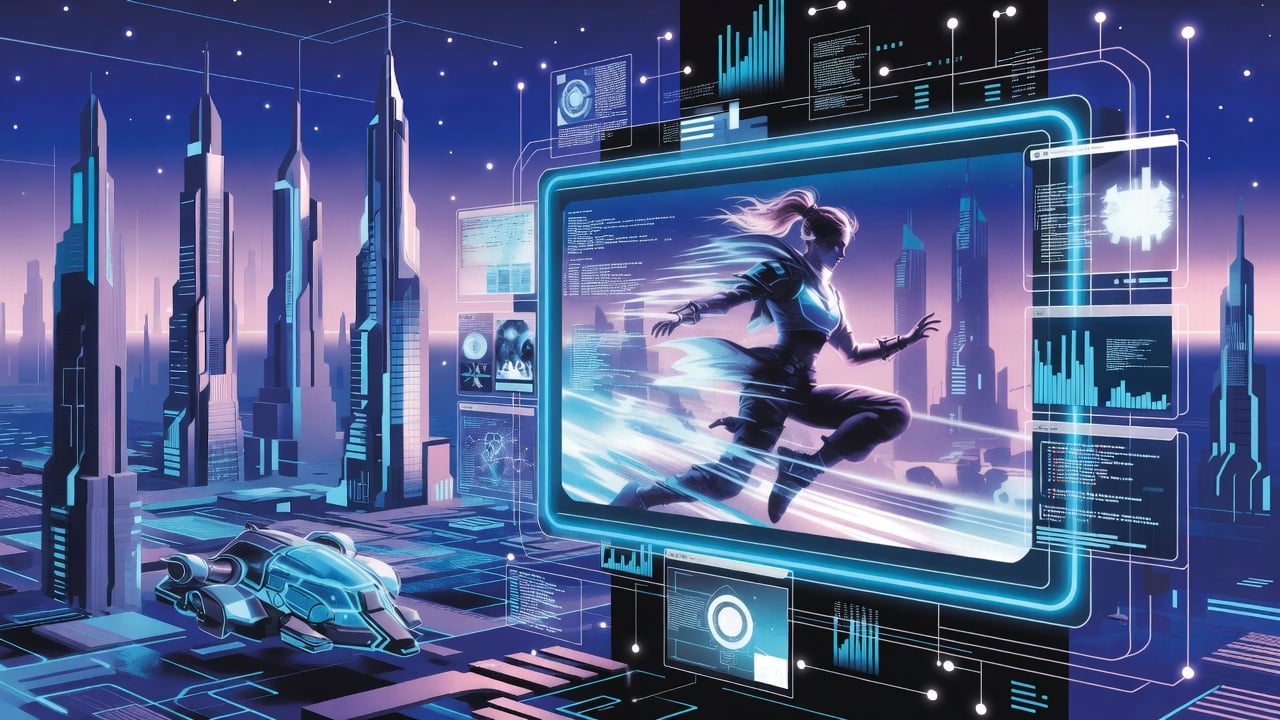
Gaming didn’t become always-online overnight. It slipped into that state quietly, through convenience rather than design manifestos. A quick check of a daily challenge. A notification about a limited-time event. A profile syncing across devices without a second thought. Somewhere along the way, playing games stopped being something you started and became something you were already connected to. The modern player no longer enters a game world so much as maintains a constant presence within it.
This shift has reshaped gaming culture at its core. What once revolved around scheduled sessions and deliberate downtime now flows through everyday digital life, sharing space with social feeds, messages, and streaming platforms. Access is no longer a technical feature—it’s a cultural expectation. To understand today’s gaming landscape, you don’t start with graphics or mechanics. You start with the always-online player, and the subtle but permanent change in how games fit into our lives.
The End of Offline Gaming as the Default
For a long time, offline gaming wasn’t a design choice—it was simply the natural state of play. You launched a game, entered its world, and everything that mattered existed within that closed loop. Progress lived on a single device, updates arrived occasionally, and the idea of being disconnected carried no cultural weight. Gaming had clear borders: you were either playing, or you weren’t.
That clarity has quietly dissolved. The shift didn’t come from a single innovation or genre, but from the normalization of permanent connectivity. As internet access became stable, fast, and omnipresent, games stopped treating online features as optional extensions. Cloud saves, live updates, cross-platform profiles, and persistent progression turned connectivity into an expectation rather than a bonus. The question was no longer whether you were online, but why you wouldn’t be.
What changed most was the role of access itself. Starting a game used to be the defining action; now, logging in often matters more than launching anything. Accounts carry identity, history, and continuity across devices and platforms. Players expect their data to follow them seamlessly, whether they’re switching hardware, regions, or services. Interactions like a routine 1xbet indonesia login reflect this broader cultural shift—access isn’t framed as an event, but as a background condition that simply needs to work.
Offline play hasn’t vanished, but it has been repositioned. It now feels deliberate, even nostalgic, rather than default. Choosing to disconnect is often framed as a limitation to work around, not a neutral state. Games are designed with the assumption that players are reachable, updatable, and persistent participants in a larger ecosystem. Events progress in real time, content rotates on schedules, and absence is something systems actively try to correct.
As a result, gaming has moved away from contained experiences toward ongoing presence. The end of offline gaming as the default isn’t about the loss of solitude or single-player depth—it’s about a cultural redefinition of what it means to engage. Modern games don’t wait patiently for the player anymore. They exist in parallel with daily digital life, always accessible, always current, and always just one login away.
Access Over Ownership: Logging In as a Habit
Ownership used to be the foundation of gaming. You bought a cartridge, installed a disc, or downloaded a file, and the experience belonged to you in a clear, tangible way. Access was automatic because possession was unquestioned. That relationship has slowly unraveled, replaced by a model where presence matters more than permanence and logging in matters more than owning anything outright.
Today, the first interaction many players have with a game isn’t a menu or a loading screen—it’s an account prompt. Profiles now function as passports, carrying progression, preferences, and identity across platforms and devices. The value of a game is no longer tied to what sits on your hardware, but to what your account can unlock wherever you happen to be. Whether someone checks updates on a tablet or opens a platform through 1xbet ios during a spare moment, the expectation is the same: access should be immediate and continuous.
This shift has turned logging in into a habit rather than a decision. It’s woven into daily routines, alongside checking messages or scrolling social feeds. Players don’t consciously think about ownership when they engage; they think about continuity. The comfort comes from knowing that progress is saved, synced, and waiting, regardless of where or when they return.
As a result, gaming culture has quietly redefined value. Access promises flexibility, persistence, and convenience—traits that modern players prioritize over permanence. Ownership still exists, but it no longer defines the experience. In its place stands a culture built around credentials, profiles, and seamless entry, where logging in isn’t a barrier to play, but the new starting point.
Mobile Platforms and the Rise of Frictionless Play
Mobile platforms didn’t just make games portable—they changed the rhythm of play itself. When gaming moved into pockets and purses, it stopped asking for dedicated time and started fitting into the margins of everyday life. Short sessions replaced long commitments, and accessibility became more valuable than spectacle. The result was a cultural shift toward frictionless play, where engagement happens instantly and effort is kept deliberately low.
Touch interfaces, biometric authentication, and persistent app states removed many of the traditional barriers between player and game. There’s no ritual of setup, no sense of “getting ready” to play. Instead, games are designed to be resumed mid-thought, paused without consequence, and returned to as easily as a notification swipe. This design philosophy reshaped expectations far beyond mobile-only titles, influencing how console and PC platforms think about user experience.
Frictionless play also changed when gaming happens. It no longer competes with other activities for attention; it coexists with them. A few minutes between tasks, a commute, or a late-night scroll can all turn into moments of play. Games become ambient—present without demanding focus—mirroring the broader shift in how digital media is consumed.
Over time, this ease of access has become a cultural standard. Players now expect games to meet them where they are, on the device already in their hands, without friction or delay. Mobile platforms didn’t simply lower the entry point to gaming—they redefined engagement itself, making immediacy and effortlessness central to how modern play is experienced.
How Constant Connectivity Changed Player Behavior
Constant connectivity didn’t just change how games are delivered—it changed how players think. When games became permanently reachable, engagement shifted from intentional to habitual. Players no longer plan sessions around free time; instead, gaming weaves itself into daily routines, appearing in short bursts between other digital interactions. The line between “playing” and simply “checking in” has grown increasingly thin.
This shift reshaped attention. Progress bars, live updates, rotating events, and social notifications encourage frequent, lightweight interactions rather than long, focused sessions. Players learn to monitor games the way they monitor messages or news feeds. Missing a day can feel like falling behind, not because of competitive pressure alone, but because games now move forward whether the player is present or not.
Social behavior evolved alongside this connectivity. Presence matters more than performance. Staying visible—maintaining streaks, reacting to updates, remaining active in shared spaces—often carries as much weight as skill. Games become social environments that reward consistency, subtly training players to return often, even when they don’t intend to play deeply.
Over time, this behavior normalizes constant engagement. Players expect games to adapt to their schedules, deliver updates passively, and remain synchronized across devices. Connectivity turns gaming into a background activity—always available, always aware of the player’s absence or return. The result isn’t obsession, but integration: games no longer interrupt life. They quietly inhabit it.
What the Always-Online Player Means for the Future of Gaming Culture
The always-online player is no longer an emerging trend—it’s the foundation on which modern gaming culture is being built. As constant connectivity becomes assumed, the future of gaming shifts away from isolated experiences and toward ecosystems that evolve in real time. Games are no longer designed as finished products but as living platforms, shaped continuously by data, communities, and ongoing interaction.
This transformation changes how value is created. Success is measured less by peak moments and more by sustained presence. Games reward consistency, adaptability, and long-term engagement, encouraging players to see their digital identities as extensions of themselves rather than temporary roles. Profiles, progression, and social visibility become as important as mechanics or narrative, anchoring players within ongoing systems rather than standalone worlds.
Looking ahead, gaming culture will likely grow more fluid and personalized. Experiences will adapt dynamically to player behavior, schedules, and preferences, blurring the line between active play and passive participation. Being “part of the game” won’t require constant focus—only availability. This lowers barriers to entry while deepening attachment, allowing games to exist alongside everyday life instead of competing with it.
Ultimately, the always-online player represents a shift in how culture itself is formed around games. Communities won’t revolve around release dates or singular achievements, but around shared continuity. The future of gaming culture isn’t defined by moments of play—it’s defined by presence, persistence, and the expectation that games are always there, waiting.



Table and Mini Games In Grand Theft Auto 6 – What Can We Expect?

How to Recover Lost Game Files from an External Drive on Mac

Mystery Anime You’ll Regret Starting at Midnight | Part 2

ARC Raiders Frozen Trail Guide: How to Board and Clear the Frigate

Rockstar Games Integrates Advanced Ray Tracing for GTA VI

How to Update Outdated Graphics Drivers for Better Gaming Performance and Higher FPS

The Most Popular Car Game Isn’t Where Players Stay Longest

Canada’s Gaming Audience Is Bigger Than the Old Stereotype

Anime You’ll Be Glad You Added to Your Fall Watchlist (Part 2) 🍂

WoW Forever Leveling: What Is New on the Road from 1 to 60

MM2 weapon rarity tiers explained for traders

Blox Fruits Physical vs Permanent Fruits: What’s the Difference?

What to Check Before Buying FC 27 Coins Online

Double-Sentinel Defensive Holds Disrupt Fast Valorant Site Executes
Canada’s Gaming Audience Is Bigger Than the Old Stereotype

Mystery Anime You’ll Regret Starting at Midnight | Part 1
-
 Anime3 weeks ago
Anime You’ll Be Glad You Added to Your Fall Watchlist (Part 2) 🍂
-
 Features3 weeks ago
WoW Forever Leveling: What Is New on the Road from 1 to 60
-
 Esports3 weeks ago
MM2 weapon rarity tiers explained for traders
-
 Features4 weeks ago
Blox Fruits Physical vs Permanent Fruits: What’s the Difference?
-
 Features4 weeks ago
What to Check Before Buying FC 27 Coins Online
-
 Esports4 weeks ago
Double-Sentinel Defensive Holds Disrupt Fast Valorant Site Executes
-
 Features2 weeks ago
Canada’s Gaming Audience Is Bigger Than the Old Stereotype
-
 Anime2 weeks ago
Mystery Anime You’ll Regret Starting at Midnight | Part 1
-
 Features3 weeks ago
Why Sports Games Keep Getting Better at Simulating the Real Thing
-

 Features3 weeks ago
8 Underrated PC Games Worth Playing in 2026 (That Aren’t Getting the Attention They Deserve)
-
 Features1 week ago
The Most Popular Car Game Isn’t Where Players Stay Longest
-

 Features3 weeks ago
From Consoles to Phones: How Canadian Gaming Became an Anytime Experience