
Culture
How To Balance Expertise In One Game With Exposure To Many Others

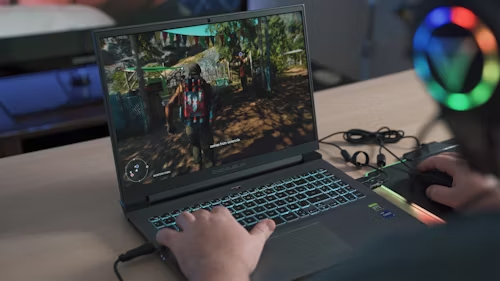
Gaming can drag you in a thousand directions. Some gamers might lock in on a single title, determined to master every inch of the game. Others may prefer a little bit of variety, switching between various genres to avoid a game feeling stale. However, focusing on one game can improve, maybe even sharpen, your instinct, timing, and how you approach the game strategically.
But trying different game genres can turn into new experiences that expand your perspective, build adaptability, and push you to think in creative ways. Exploring different genres could provide you with additional skills that help you tackle the hardest challenges in both gaming and life.
Poker Can Refine Strategies
Online poker is continually evolving, with casinos with high RTP introducing fresh poker variants that push players to adapt and refine their strategies. These platforms often highlight transparent, fair gameplay where the return-to-player percentage gives users a clearer sense of long-term outcomes, something that changes how players calculate risk and make decisions.
These casinos frequently feature variations such as live dealer poker, Mississippi Stud, and Three Card Poker, each demanding a different approach and level of calculation.
Mississippi Stud, for instance, forces players to reassess their position after every community card, constantly balancing risk and reward. Meanwhile, Three Card Poker simplifies the format but raises the stakes, requiring quick decisions and strong intuition about the starting hand.
Each variation teaches something new about managing uncertainty and risk. What works in one game might backfire in another. The ability to pivot, stay patient, and think strategically, especially when outcomes rely on timing and probability, is a lesson poker players carry into other genres and even real-world problem solving.
In short, poker and other strategic games train emotional control, critical thinking, and adaptability, essential traits for anyone trying to balance mastery in one area with curiosity for many others.
Chess and the Discipline of Foresight
If poker thrives on uncertainty, chess sits at the opposite end of the spectrum. Nothing is hidden on the board, and every piece and every option is visible to both players. Success comes from foresight, calculation, and the ability to think several moves ahead while predicting your opponent’s next move.
Chess is a game that rewards patience and punishes recklessness. A single lapse in concentration can undo hours of strategic thinking. This game requires discipline in planning and resilience, but also teaches you pattern recognition for problem-solving under pressure.
Real-Time Strategy and the Art of Adaptation
While chess is deliberate and poker is psychological, real-time strategy (RTS) games introduce chaos into the mix. Titles in this genre force players to multitask, build bases, gather resources, train armies, and defend against attacks, often all within seconds. Unlike turn-based play, there’s no time for careful calculation. Decisions must be made quickly, and priorities constantly change as new threats and opportunities appear.
This specific genre strengthens a gamer’s ability to multitask and adapt under pressure. It also improves organizational skills, as you learn to balance short-term survival with long-term planning. In RTS games, stubbornly sticking to a single tactic rarely ever works.
Role-Playing Games and the Balance of Depth and Variety
RPGs demand patience, planning, and a willingness to invest in long-term progression. Levelling up characters, managing your inventory, and making story-driven decisions all require a different level of focus and commitment. The genre needs you to pay attention to detail but it also rewards you when you can think several steps ahead.
RPGs teach gamers how to think long-term, manage resources wisely, adapt to unexpected twists, and approach challenges creatively. They encourage discipline, patience, and imagination, the kind of skills that not only improve gaming performance across genres but also are very similar to real-world problem-solving abilities.
MMO Creates Leaders
MMOs are like RPGs on steroids. They pile on all the role-play and progression elements, then throw thousands of real players into the mix. In MMOs, success typically comes down to working well with others. Raids and dungeons aren’t something you would tackle alone, teamwork, clear communication, and players filling specific roles is needed.
Some gamers can find themselves leading guilds, organizing events, and keeping large groups on track, which in the real-world, feels like project management. The constant curveballs of battles improves adaptability and problem-solving, while progression in the game teaches resource management and patience. Above all, MMOs create communities, helping players build social skills, form networks, and learn how to cooperate, negotiate, and strategize with people from all over the world.
Conclusion
Every game offers a set of unique lessons. By combining these skills, you have the potential to become far more versatile and better prepared for whatever challenge comes next. Whether you’re playing casually, or for competition, maybe even for self-improvement, the balance between expertise and exposure is where lasting growth and the most satisfying victories can be found.
Image Credit: https://unsplash.com/photos/a-person-playing-a-video-game-on-a-laptop-auf3GwpVaOM



Table and Mini Games In Grand Theft Auto 6 – What Can We Expect?

How to Recover Lost Game Files from an External Drive on Mac

Mystery Anime You’ll Regret Starting at Midnight | Part 2

ARC Raiders Frozen Trail Guide: How to Board and Clear the Frigate

Rockstar Games Integrates Advanced Ray Tracing for GTA VI

How to Update Outdated Graphics Drivers for Better Gaming Performance and Higher FPS

The Most Popular Car Game Isn’t Where Players Stay Longest

Canada’s Gaming Audience Is Bigger Than the Old Stereotype

Anime You’ll Be Glad You Added to Your Fall Watchlist (Part 2) 🍂

WoW Forever Leveling: What Is New on the Road from 1 to 60

MM2 weapon rarity tiers explained for traders

Blox Fruits Physical vs Permanent Fruits: What’s the Difference?

What to Check Before Buying FC 27 Coins Online

Double-Sentinel Defensive Holds Disrupt Fast Valorant Site Executes
Canada’s Gaming Audience Is Bigger Than the Old Stereotype

Why Sports Games Keep Getting Better at Simulating the Real Thing
-
 Anime3 weeks ago
Anime You’ll Be Glad You Added to Your Fall Watchlist (Part 2) 🍂
-
 Features3 weeks ago
WoW Forever Leveling: What Is New on the Road from 1 to 60
-
 Esports3 weeks ago
MM2 weapon rarity tiers explained for traders
-
 Features4 weeks ago
Blox Fruits Physical vs Permanent Fruits: What’s the Difference?
-
 Features4 weeks ago
What to Check Before Buying FC 27 Coins Online
-
 Esports4 weeks ago
Double-Sentinel Defensive Holds Disrupt Fast Valorant Site Executes
-
 Features2 weeks ago
Canada’s Gaming Audience Is Bigger Than the Old Stereotype
-
 Features3 weeks ago
Why Sports Games Keep Getting Better at Simulating the Real Thing
-

 Anime2 weeks ago
Mystery Anime You’ll Regret Starting at Midnight | Part 1
-
 Features1 week ago
The Most Popular Car Game Isn’t Where Players Stay Longest
-

 Features3 weeks ago
8 Underrated PC Games Worth Playing in 2026 (That Aren’t Getting the Attention They Deserve)
-

 Features3 weeks ago
From Consoles to Phones: How Canadian Gaming Became an Anytime Experience