
Features
How Reward Systems in Video Games Influence Modern Online Entertainment

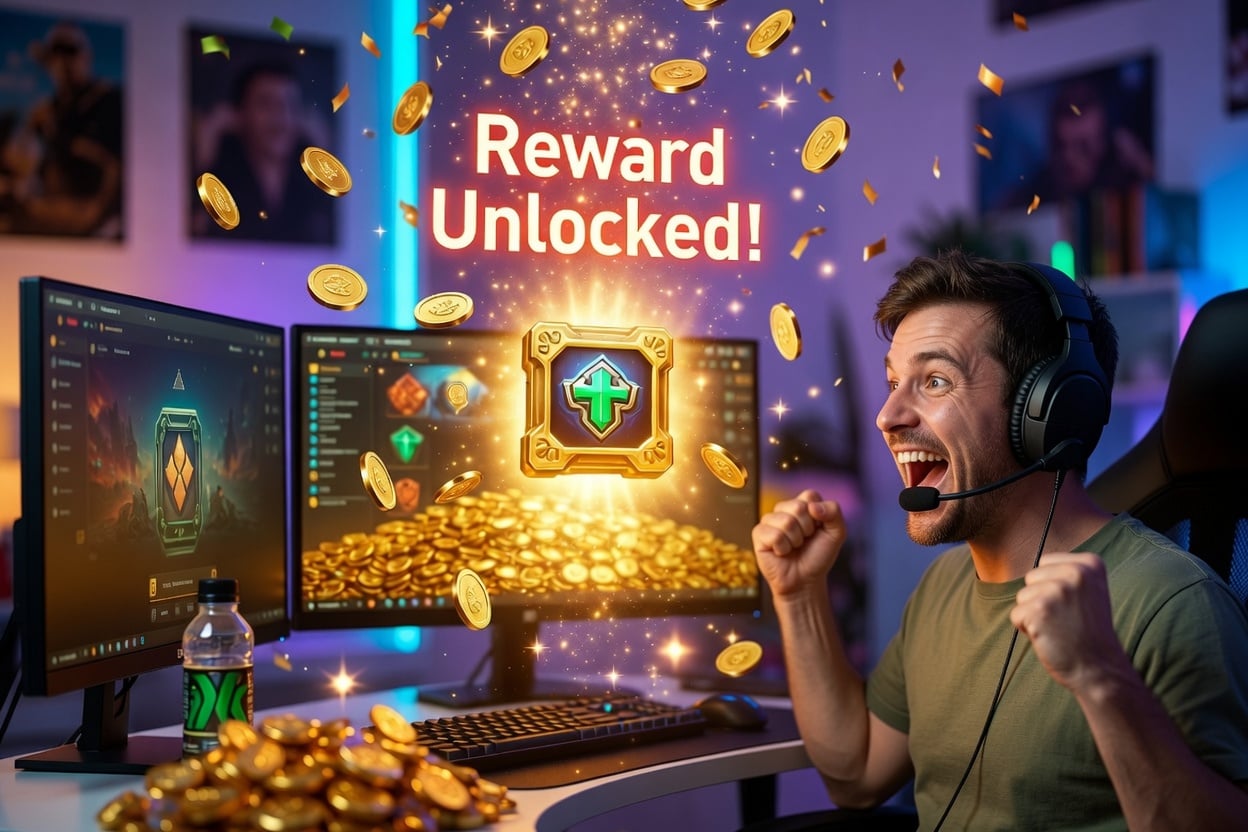
Level bars, daily coins, loot chests, streaks, badges, and season passes now shape how people spend free time online. The design started in arcades, sharpened in console hits like Diablo II and World of Warcraft, and then spread into mobile apps, streaming platforms, fantasy sports, and casino-style games. Tiny rewards teach a simple lesson: check back, try once more, finish the next task. So players do. A player who opens a phone at lunch sees the same pattern in a puzzle app, a shop carousel, and a match recap.
On online review pages, spilleautomater på nett usually sits beside a welcome bonus because both use the same promise of a quick start and a possible win. The link is not random. It shows how game design and gambling design borrow from each other, sometimes openly, sometimes by accident. One page may rank a high payout option near beste online casino with free spins for the same reason a battle pass highlights rare skins: the eye follows prizes before it reads rules.
The psychology behind the next click
Reward systems work because the brain notices patterns before it names them. A coin sound after a win, a purple glow around rare gear, or a timer that resets at midnight all create clear signals. They say, “This action paid off.” Short feedback loops matter. In Candy Crush, a level can end in under two minutes, which makes failure feel cheap and a rematch feel sensible. Fortnite adds another layer with quests that split a large goal into ten small steps. Each step throws out XP, a sound cue, and visible progress. That is enough to keep a player moving after the match has lost its main thrill. The reward does not need to be large. It needs to arrive at the right second. Modern entertainment copies that timing. A streaming app celebrates a viewing streak. A fitness game flashes confetti after 5,000 steps. A trivia site reveals rank changes after every round.
Variable rewards keep attention sticky
Fixed rewards get predictable fast. Ten coins for every login feels nice on Monday, dull by Thursday. Variable rewards last longer because the player cannot map the next outcome. Slot machines used that rule for decades, but video games softened it with mystery boxes, rare drops, and random card packs. The method is powerful. In Diablo IV, one dungeon run might give scrap gear while the next drops a unique item that changes a build. The dry run is not wasted, because it proves the rare drop exists inside the system. Social media borrowed the same rhythm. A post may get three likes, then one hundred, then twelve. The number swings, so the user checks again. Online entertainment has learned to hide the dice inside friendly graphics. A glowing chest looks harmless. A spinning wheel looks playful. But the habit forms in the space between one reward and the next, where hope feels almost like progress.
Status signals turn play into identity
Badges look small, yet they change how a person explains time spent online. A gold rank in Rocket League, a rare profile frame on Discord, or a blue check-style mark in a game forum says something public. It says the player stayed, learned, paid, or arrived early. Status rewards are cheap for companies because they are digital. For players, they feel personal. That trade is everywhere now. Twitch uses subscriber badges that grow older month by month. Duolingo places users in leagues with promotion zones and demotion zones. Even shopping apps give “VIP” labels after repeat orders. The label is not a cash prize. Still, it changes behavior. People return to protect status, especially when loss is visible to friends or strangers. A bronze badge ignored in private becomes a reason to grind when it sits beside a username in a public chat.
Scarcity makes ordinary items feel urgent
Limited-time rewards put a clock on desire. A skin available for 48 hours feels different from the same skin sitting in a permanent shop. The object has not changed. The deadline has. Games use this pressure with seasonal events, login calendars, rotating stores, and expiring quests. Genshin Impact, for example, runs character banners that push fans to save currency, spend money, or accept missing out for months. Online entertainment outside games uses the same clock. Ticket platforms show low-seat warnings. Sports apps run pick contests that close before kickoff. Streaming services mark special premieres with countdowns. The design works because people hate closed doors. They imagine the regret before it happens. Scarcity also makes communities louder, since players share reminders, leaks, and last-minute advice. The reward becomes a social event, not just an item. Still, smart design leaves breathing room. Too many clocks make fun feel like homework.
Money, risk, and the thin line between play and betting
The hardest debate sits around paid chance. A player buys a loot box, opens it, and receives a random item. If the item has resale value, the mechanic starts to look less like a toy and more like wagering. Regulators noticed. Belgium banned paid loot boxes in 2018. The Netherlands fought FIFA Ultimate Team packs for years, though court decisions shifted the case. Publishers changed wording, odds displays, and shop layouts in response. Some now show drop rates, such as a 1 percent chance for a top-tier item. Clear numbers help, but they do not remove pressure. Young players still react to color, sound, and peer comparison before they study percentages. Online casinos learned the same lesson long ago. Presentation matters. A bonus wheel feels lighter than a plain terms page, even when both lead to real-money choices. Modern entertainment borrows the sparkle, then argues over where the boundary should sit.
What better reward design looks like next
Better reward design is not bland. It is honest. Players accept goals, streaks, and random drops when the rules stay visible and the cost stays clear. A healthy system tells a player what is earned through skill, what is bought, and what depends on chance. It also gives natural stopping points. Monster Hunter does this well after a hunt: carve the monster, check materials, craft or plan, then leave. The loop is satisfying, but it has a pause. Online platforms need more pauses. A match recap can say, “Great run, come back tomorrow,” instead of pushing ten more tasks. A shop can show real prices rather than gem bundles that blur spending. Parents and regulators watch the loudest examples, yet everyday design choices matter more. Data should help here, not excuse bad habits. If average sessions climb while refunds, angry tickets, or midnight purchases rise too, the reward loop is probably doing damage. Designers can cap daily missions, reveal odds beside every random purchase, and offer spending summaries that a normal person understands. Timers should never hide real prices. The color of a button, the sound after a reward, and the size of a countdown all teach behavior. Teams building entertainment products should test one simple question before launch: does the reward make the player feel in control, or just afraid to stop?


Minecraft All Biomes Seeds for Players Who Love Exploring

Double-Sentinel Defensive Holds Disrupt Fast Valorant Site Executes

Blox Fruits Physical vs Permanent Fruits: What’s the Difference?

What to Check Before Buying FC 27 Coins Online

Pokémon Announces New Movie With a New Hero and Mimikyu

Can You Stream Kick on Xbox: Complete Guide for Xbox Users

One Piece Is Everywhere Right Now – and It’s Exposing a Problem With How Gaming Teaches Players to Gamble

Why Game Clips Stall on Instagram Reels

This Unexpected Frieren x MapleStory Crossover Looks Too Perfect

Why Have Animal Characters Taken Over Every Corner Of Gaming?

6 Years Later, Haikyu!! Returns in the Last Way Fans Expected

6 Gaming Platforms That Push Originality to the Forefront

How Much Does Player Housing Really Cost in WoW Midnight?

Why Randomness Makes Some Video Games So Interesting

Struckd on Windows: Making 3D Games Without Writing a Line of Code

Anime You’ll Be Glad You Added to Your Fall Watchlist (Part-1)
-
 Anime4 weeks ago
This Unexpected Frieren x MapleStory Crossover Looks Too Perfect
-
 Features4 weeks ago
Why Have Animal Characters Taken Over Every Corner Of Gaming?
-
 Anime2 weeks ago
6 Years Later, Haikyu!! Returns in the Last Way Fans Expected
-
 Features4 weeks ago
6 Gaming Platforms That Push Originality to the Forefront
-
 Features4 weeks ago
How Much Does Player Housing Really Cost in WoW Midnight?
-
 Features2 weeks ago
Why Randomness Makes Some Video Games So Interesting
-
 Features1 week ago
Struckd on Windows: Making 3D Games Without Writing a Line of Code
-
 Anime3 weeks ago
Anime You’ll Be Glad You Added to Your Fall Watchlist (Part-1)
-

 Features6 days ago
Why Side Activities Make Open Worlds Feel More Alive
-

 Features2 weeks ago
From Arcade Cabinets to Digital Cards: The Psychology of the Push-Your-Luck Mechanic
-

 Features2 weeks ago
Keyboard vs Controller Gaming: Which One Is Better?
-

 Features2 weeks ago
5 Masterful Video Games Where The Element of Chance Shaped the Narrative