
Features
How Random Reward Systems Changed Modern Video Games

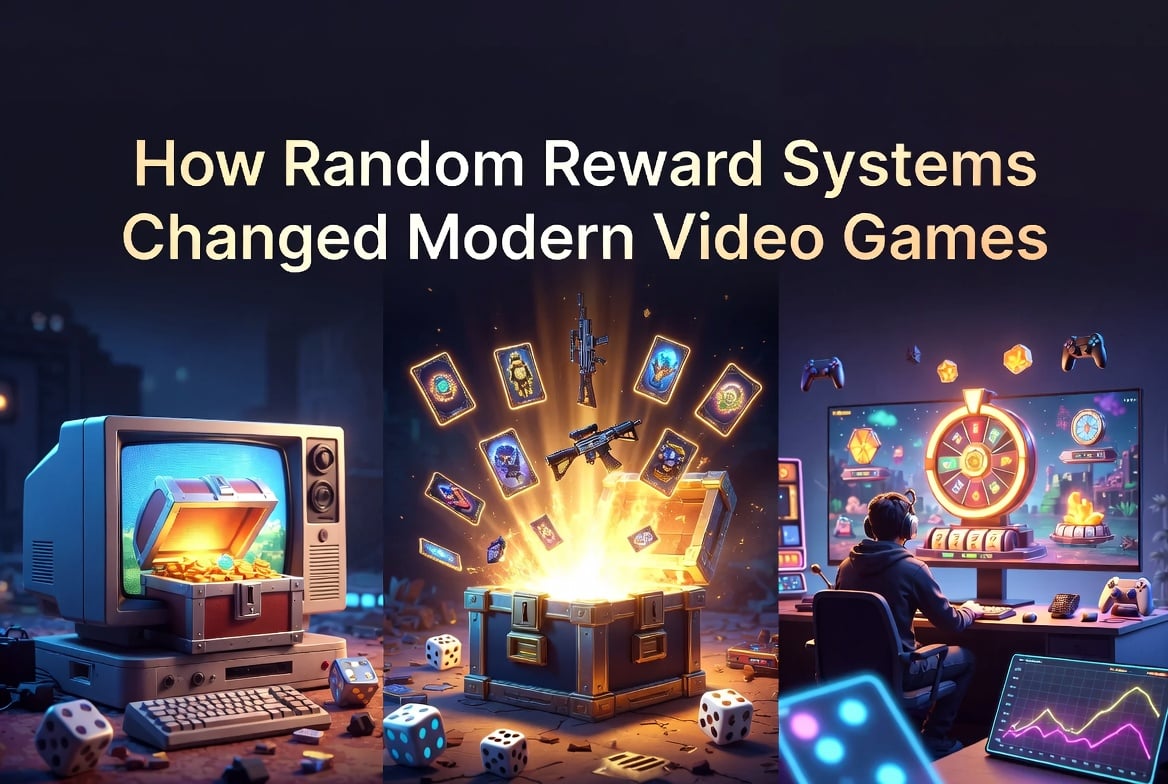
Random rewards have existed in video games for far longer than many players realize. Long before battle passes, cosmetic crates, and limited-time events became common, developers were already experimenting with probability to make digital worlds feel surprising and unpredictable.
A rare weapon dropping after a difficult boss fight, an unusual creature appearing in the wild, or a powerful item hidden inside an ordinary treasure chest can create memorable moments. These systems work because they interrupt routine. Instead of knowing exactly what will happen, the player is given a reason to remain curious.
Over time, however, random rewards have evolved from a simple design technique into one of the most debated mechanics in modern gaming.
The Early Appeal of Randomness
Many classic role-playing games used randomized item drops to make repeated battles feel less repetitive. Defeating the same group of enemies could produce different results each time. Most encounters rewarded the player with ordinary resources, but occasionally something rare would appear.
This approach helped developers add variety without creating an entirely new encounter for every battle. It also encouraged exploration. Players might revisit a dungeon, experiment with different enemies, or spend more time in an optional area because they knew a valuable item could be waiting for them.
Random encounters followed a similar philosophy. Older RPGs often surprised players with battles while they travelled through forests, caves, or open fields. Although these encounters could sometimes become frustrating, they made the world feel less predictable.
Games such as Pokémon took this idea further. The possibility of discovering a rare creature transformed ordinary exploration into a search for something special. Every patch of grass could potentially contain a new team member.
Rare Drops and Player Stories
One reason random rewards remain popular is that they create personal stories.
A guaranteed reward is useful, but it is rarely surprising. A rare item obtained unexpectedly can become part of a player’s memory of the game. Two people may complete the same quest yet walk away with completely different experiences.
These moments also encourage conversations between players. Someone might talk about receiving an extremely rare weapon on their first attempt, while another player may spend hours searching for it. The item becomes more than a collection of statistics. It becomes a story about luck, persistence, and timing.
Multiplayer games benefit especially strongly from this effect. Rare cosmetic items, unusual character variations, and limited collectibles give players ways to express their individual history within the game.
However, the excitement depends heavily on how the system is designed.
When Randomness Becomes Frustrating
Random rewards can quickly lose their appeal when they stand between the player and meaningful progress.
Imagine defeating a challenging boss dozens of times because a required item has an extremely low drop rate. The first few attempts may feel exciting, but repetition eventually turns the experience into work. The player is no longer exploring the game or improving their strategy. They are simply waiting for probability to cooperate.
This problem is particularly noticeable in games built around extensive grinding. When rewards are too unpredictable, players may feel that their time is not being respected.
Good systems usually include some form of protection against extreme bad luck. A rare item might become more likely after several unsuccessful attempts, or players may receive materials that can eventually be exchanged for the reward they want.
These solutions preserve the excitement of randomness while ensuring that progress is still possible.
The Rise of Loot-Based Progression
Action RPGs and online games transformed random loot into a central progression system. Instead of occasionally discovering a rare item, players began receiving large numbers of weapons and equipment with randomized statistics.
This design creates constant comparison. A newly discovered sword might deal more damage, provide a useful elemental effect, or support a particular character build. Even when an item is not perfect, it may inspire the player to experiment with a different strategy.
The best loot-based games make these decisions interesting. A weapon should not simply display a larger number. It should change how the player approaches combat.
Problems emerge when the game overwhelms the player with nearly identical items. Sorting through dozens of minor upgrades can interrupt the pace and reduce valuable discoveries to inventory management.
Modern developers have tried to solve this with automatic sorting, item filters, crafting systems, and clearer rarity categories. These features may sound small, but they significantly affect whether a reward system feels exciting or exhausting.
Random Rewards and Monetization
The most controversial shift occurred when random rewards became connected to real-world spending.
Traditional randomized items were usually earned by playing. The player defeated enemies, explored locations, or completed challenges. Modern games sometimes allow players to purchase access to randomized digital rewards instead.
This changes the relationship between the player and the system. The mechanic is no longer only about surprise within the game. It also becomes part of the game’s business model.
As a result, players have become increasingly critical of unclear probabilities, duplicate rewards, artificial scarcity, and systems that pressure people to make repeated purchases. Developers have responded in different ways. Some games publish reward probabilities, while others replace random purchases with direct cosmetic stores or predictable progression tracks.
The debate has pushed the industry to think more carefully about transparency and player trust.
Why Battle Passes Became So Common
Battle passes offer a more predictable alternative. Instead of purchasing an unknown reward, players can usually see what they will unlock at each level.
This system removes part of the randomness, but it introduces a different form of pressure: limited time. Players may feel obligated to complete challenges before a season ends, even when they would rather play something else.
A well-designed battle pass should complement the main experience rather than control it. Progress should come naturally through ordinary gameplay, and missing a few days should not make completion impossible.
The broader lesson is that predictability alone does not guarantee a fair system. Developers must also consider pacing, accessibility, and the amount of time expected from players.
Designing Randomness Responsibly
Randomness is not automatically good or bad. Its value depends on its purpose.
When used carefully, it can make exploration exciting, encourage experimentation, and create unforgettable moments. When used poorly, it can produce repetitive grinding, obscure progression, or turn entertainment into an obligation.
The strongest reward systems usually give players both surprise and control. They allow unexpected discoveries while providing reliable ways to work toward specific goals. They respect the player’s time and clearly explain how rewards are obtained.
Random rewards will probably remain part of video games for years to come. They are deeply connected to curiosity, discovery, and the pleasure of finding something unusual. The challenge for developers is not to eliminate randomness, but to ensure that it serves the game—and the people playing it.



Minecraft All Biomes Seeds for Players Who Love Exploring

Double-Sentinel Defensive Holds Disrupt Fast Valorant Site Executes

Blox Fruits Physical vs Permanent Fruits: What’s the Difference?

What to Check Before Buying FC 27 Coins Online

Pokémon Announces New Movie With a New Hero and Mimikyu

Can You Stream Kick on Xbox: Complete Guide for Xbox Users

One Piece Is Everywhere Right Now – and It’s Exposing a Problem With How Gaming Teaches Players to Gamble

Why Game Clips Stall on Instagram Reels

This Unexpected Frieren x MapleStory Crossover Looks Too Perfect

Why Have Animal Characters Taken Over Every Corner Of Gaming?

6 Years Later, Haikyu!! Returns in the Last Way Fans Expected

6 Gaming Platforms That Push Originality to the Forefront

How Much Does Player Housing Really Cost in WoW Midnight?

Anime You’ll Be Glad You Added to Your Fall Watchlist (Part-1)

Struckd on Windows: Making 3D Games Without Writing a Line of Code

Why Randomness Makes Some Video Games So Interesting
-
 Anime4 weeks ago
This Unexpected Frieren x MapleStory Crossover Looks Too Perfect
-
 Features4 weeks ago
Why Have Animal Characters Taken Over Every Corner Of Gaming?
-
 Anime2 weeks ago
6 Years Later, Haikyu!! Returns in the Last Way Fans Expected
-
 Features4 weeks ago
6 Gaming Platforms That Push Originality to the Forefront
-
 Features4 weeks ago
How Much Does Player Housing Really Cost in WoW Midnight?
-
 Anime3 weeks ago
Anime You’ll Be Glad You Added to Your Fall Watchlist (Part-1)
-
 Features1 week ago
Struckd on Windows: Making 3D Games Without Writing a Line of Code
-
 Features2 weeks ago
Why Randomness Makes Some Video Games So Interesting
-

 Features1 week ago
From Arcade Cabinets to Digital Cards: The Psychology of the Push-Your-Luck Mechanic
-

 Features2 weeks ago
Keyboard vs Controller Gaming: Which One Is Better?
-

 Features2 weeks ago
5 Masterful Video Games Where The Element of Chance Shaped the Narrative
-
 Features5 days ago
Why Side Activities Make Open Worlds Feel More Alive