
Technology
Headsets With a Point: VR in 2025 — Is It Time to Switch?

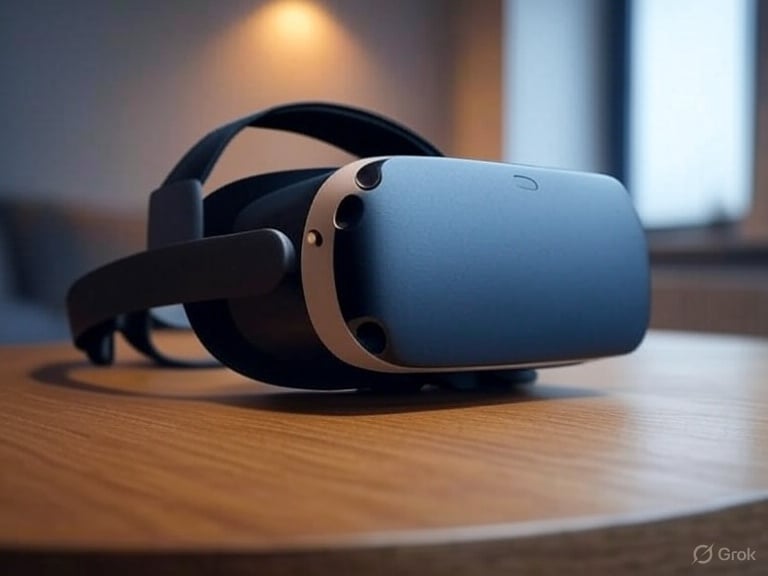
For years, VR swung between big promises and petty irritations. In 2025 the talk turns practical: lighter housings, sharper optics, steadier tracking, and calmer software. The real test becomes stamina, not spectacle. Can a headset sustain weeks of sessions with stable comfort, honest motion, readable text, and low-friction setup, instead of dazzling for five minutes and then gathering dust afterward?
Early impressions carry weight, much like a venue setting the tone for the evening. Walking into Tooniebet casino shapes expectations through light, layout, and flow. A capable headset should greet similarly: sharp text at boot, painless pairing, remembered boundaries, and motion that feels native. When onboarding respects time and body, the next session schedules itself, and small routines begin to form without nagging friction or fatigue.
Optics and Comfort: Why Fit Decides Usage
Clarity and comfort rise together. Pancake lenses curb reflections and edge warp, and micro-OLED delivers richer blacks with cleaner small fonts. Counterbalanced cells move weight rearward, wider straps distribute pressure, and open-cell foams manage heat during strenuous apps. None of this is glamorous, yet it decides whether an hour feels productive or punishing — and whether daily sessions become a sustainable habit.
Tracking, Inputs, and Mixed Reality
Tracking and inputs finally feel grown-up. Inside-out systems cope better with cluttered apartments and dim corners. Controllers hold signal during quick reloads and sweeping gestures, while hand tracking becomes usable for menus, sketching, and light tools. Mixed-reality passthrough reaches a clarity suitable for desk work, keeping keyboards, notes, and instruments visible. The result is presence without ritual and play that respects attention.
Where 2025 Actually Moves the Needle
- Clarity minus weight — Pancake lenses and micro-OLED refine text, distant objects, and cockpit readouts, maintaining legible UI and sims.
- Stable comfort — Back-biased batteries and airflow-friendly pads diffuse warmth, allowing long sessions minus temple pain.
- Tracking that holds — Improved algorithms behave in messy rooms; controllers drop fewer frames during fast actions.
- MR that matters — Sharper passthrough turns keyboards and notes into practical desk companions for hybrid workflows.
- Setup with fewer rituals — Room saves, cloud profiles, and cleaner pairing return minutes to actual play.
Ecosystem and Budget Reality
Platforms still decide value. Libraries, update cadence, and refund windows matter as much as specs, alongside social systems that make invitations effortless. Budgets sort tiers: entry models deliver honest 90–120 Hz comfort for casual fitness and party titles; mid-range improves optics and tracking for longer sessions; premium rigs add high-nit HDR and near-instant response that sim pilots and creators genuinely feel.
Fit, Health, and Hygiene
Fit remains non-negotiable. A broad IPD range prevents eye strain, glasses-friendly gaskets avoid pressure points, and comfort settings tame motion with vignettes or snap turns. Hygiene counts for shared use; replaceable liners and easy cleaning keep sessions welcoming. Testing should span rhythm games, seated sims, and creative tools to confirm consistent behavior across workloads rather than impress only in curated demos.
One-Week Trial Plan
- Day one — setup speed: Time the first boot, boundary draw, pairing, and account sync; read dense UI for thirty minutes to judge clarity.
- Day two — heat and pressure: Run a fitness block; note hotspots, strap slippage, sweat management, and pad materials after cooldown.
- Day three — social presence: Join friends, check voice quality, invite flow, and room persistence; log any friction that kills spontaneity.
- Day four — sims and tools: Fly or race for an hour, then model or sketch; watch tracking corners and hand fatigue.
- Day five — repeatability: Revisit everything and confirm the headset still disappears when concentration deepens.
Risks and Limits You Should Expect
Field of view remains finite, lenses still prefer a sweet spot, and sweaty rhythm sessions challenge thermals. Some apps ignore comfort guidelines and pay with churn. Wireless streaming depends on steady Wi-Fi. None of these are deal-breakers, but they shape expectations and help separate durable improvements from shiny press-release lines that rarely survive everyday apartments and routines.
Should You Jump Now or Wait
Clear goals justify upgrading now: sims, fitness programs, collaborative design, or mixed-reality desk work see immediate gains. If fit is uncertain — narrow IPD or tricky glasses — an in-person demo comes first. A well-tuned 2022–2023 headset might still meet needs, especially with a strong library. Social gravity matters too; follow the platform where friends gather.
Verdict
The 2025 outlook favors measured optimism. For specific jobs to be done, current headsets finally feel like tools rather than tech demos. Comfort, clarity, and tracking improvements compound into habit. For broader curiosity, patience remains rational: try before buying, prioritize fit over buzzwords, and pick the ecosystem that respects time. The best upgrade is the one enjoyed nightly without second thoughts.



From Consoles to Phones: How Canadian Gaming Became an Anytime Experience

8 Underrated PC Games Worth Playing in 2026 (That Aren’t Getting the Attention They Deserve)

WoW Forever Leveling: What Is New on the Road from 1 to 60

Why Sports Games Keep Getting Better at Simulating the Real Thing

MM2 weapon rarity tiers explained for traders

Why Esports Platforms Need Different Payment Rails Than Traditional Game Stores

Anime You’ll Be Glad You Added to Your Fall Watchlist (Part 2) 🍂

Minecraft All Biomes Seeds for Players Who Love Exploring

6 Years Later, Haikyu!! Returns in the Last Way Fans Expected
Anime You’ll Be Glad You Added to Your Fall Watchlist (Part 2) 🍂

How to Fix Lag in Games Once and For All

One Piece Is Everywhere Right Now – and It’s Exposing a Problem With How Gaming Teaches Players to Gamble

From Arcade Cabinets to Digital Cards: The Psychology of the Push-Your-Luck Mechanic
WoW Forever Leveling: What Is New on the Road from 1 to 60

What to Check Before Buying FC 27 Coins Online

Why Side Activities Make Open Worlds Feel More Alive
-
 Anime4 weeks ago
6 Years Later, Haikyu!! Returns in the Last Way Fans Expected
-
 Anime1 week ago
Anime You’ll Be Glad You Added to Your Fall Watchlist (Part 2) 🍂
-
 Technology3 weeks ago
How to Fix Lag in Games Once and For All
-
 Features2 weeks ago
One Piece Is Everywhere Right Now – and It’s Exposing a Problem With How Gaming Teaches Players to Gamble
-
 Features3 weeks ago
From Arcade Cabinets to Digital Cards: The Psychology of the Push-Your-Luck Mechanic
-
 Features3 days ago
WoW Forever Leveling: What Is New on the Road from 1 to 60
-
 Features2 weeks ago
What to Check Before Buying FC 27 Coins Online
-
 Features2 weeks ago
Why Side Activities Make Open Worlds Feel More Alive
-
 Features3 weeks ago
What Even Happened to Cloud Gaming?
-
 Social Media2 weeks ago
Can You Stream Kick on Xbox: Complete Guide for Xbox Users
-

 Features2 weeks ago
Blox Fruits Physical vs Permanent Fruits: What’s the Difference?
-
 Features3 weeks ago
Struckd on Windows: Making 3D Games Without Writing a Line of Code